Affiliate disclosure: We may earn a commission when you buy through links in this post.
The Look To Aim For: Rustic Styles Color Palette Ideas
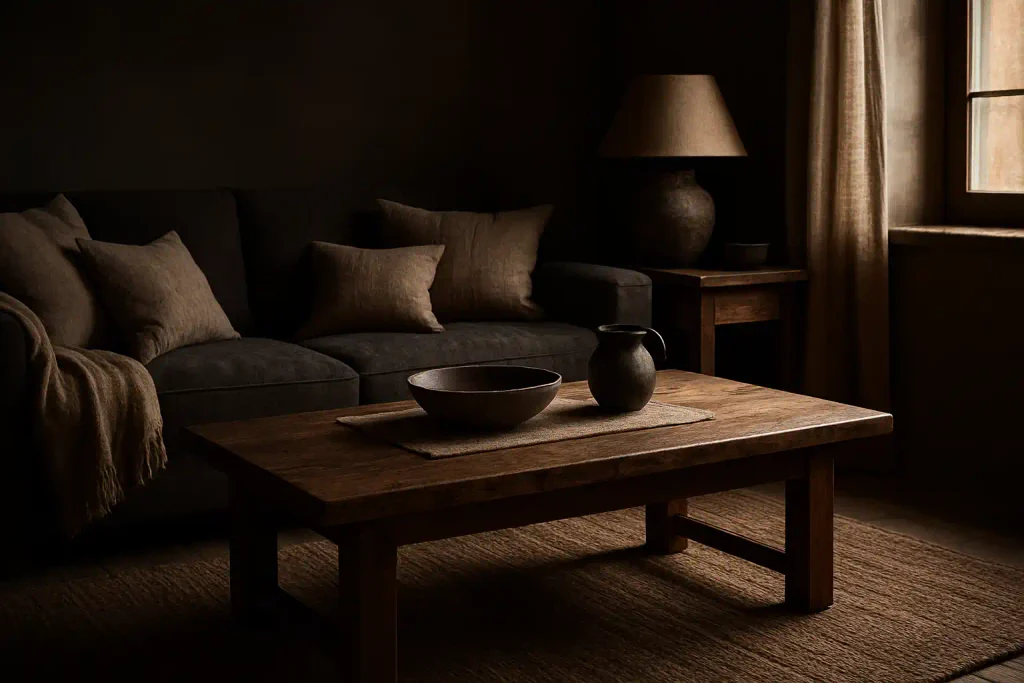
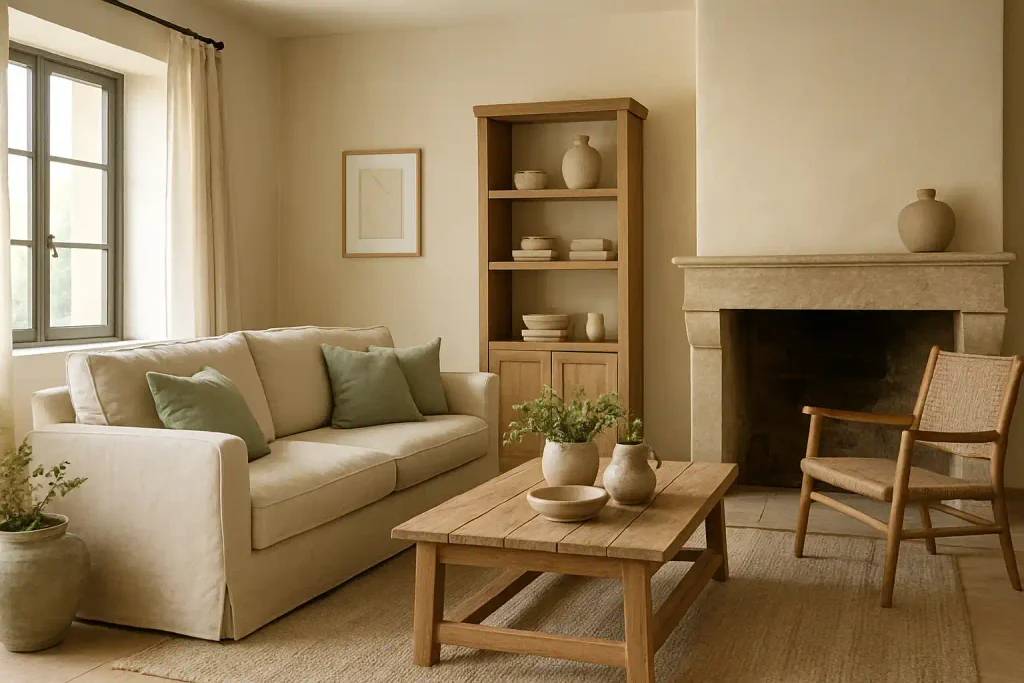
A welcoming rustic room balances natural materials with colors that feel comfortable and lived-in. Start with what is already in the space, such as wood floors, stone, brick, tile, or a favorite piece of furniture. The most useful rustic styles color palette ideas build on those fixed features instead of asking you to disguise them.
Give each color a role: choose a background shade for larger surfaces, a supporting color for furniture or textiles, and an accent for smaller details. Cream, warm white, sand, muted green, and clay are flexible starting points. These rustic styles color palette ideas are not strict rules, so adjust the proportions to suit your room and its existing finishes.
Notice how the room’s light changes through the day before settling on paint or fabric. A shade can look warmer or cooler in daylight than it does in the evening. Test a sample beside the flooring and woodwork, rather than judging it on its own.
Ideas To Try: Rustic Styles Color Palette Ideas
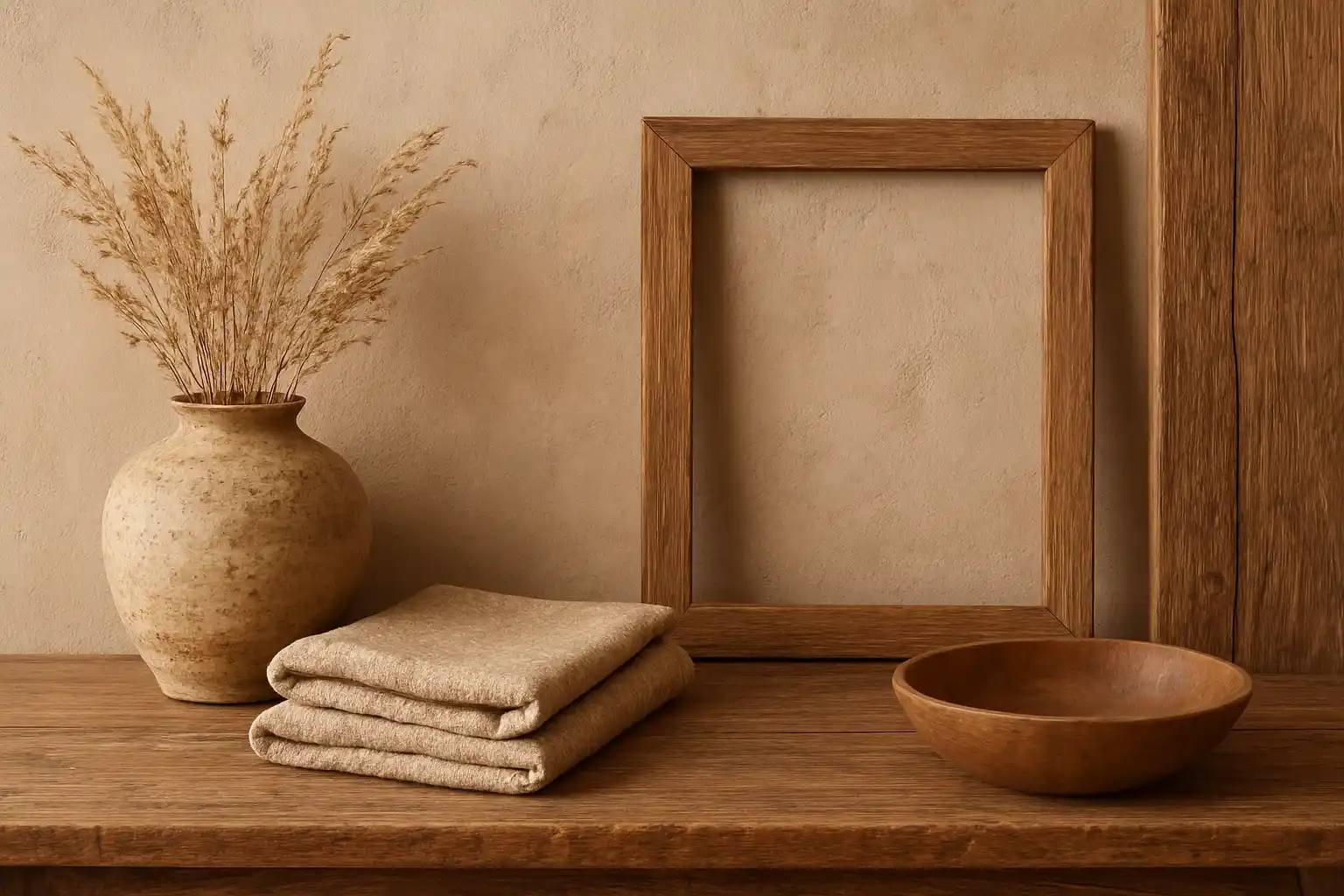
Use these 17 combinations as a menu, not a checklist. Each one explains why the pairing works, how to try it, where it may fit, and one practical limit to keep in mind. Choose the ideas that suit your materials, light, and preferred level of contrast.
1. Rustic Styles Color Palette Ideas With Warm White And Oak
Warm white walls and oak create a bright, relaxed base that lets wood grain stand out. Try this pairing in a living room, kitchen, or compact entry. If the result feels plain, bring in texture through linen, a woven basket, or handmade-looking ceramics instead of adding several new colors.
2. Soft Beige And Walnut
Soft beige gives deep walnut furniture a quiet backdrop and helps the wood remain a focal point. It suits a bedroom, study, or dining nook with existing dark furniture. In a dim room, several large walnut pieces can feel heavy, so balance them with lighter upholstery or a pale rug.
3. Sage Green And Natural Wood
Muted sage adds a gentle color contrast without competing with natural wood grain. Use it on cabinetry, curtains, or a single wall in a kitchen or bedroom. Sage shades can lean blue or gray, so compare a sample with the wood and check it in the room’s changing light.
4. Rustic Styles Color Palette Ideas With Terracotta And Cream
Pro tip: Make a small sample board with paint swatches, a fabric piece, and a photo or sample of your flooring. Move it around the room and check it in daylight and evening light before choosing a wall color.
Terracotta brings an earthy warmth to cream walls and pale wood. Try it first in pottery, cushions, or a small painted surface if you want color without committing to a full room. Because terracotta can dominate when repeated widely, keep the larger surfaces quiet.
5. Charcoal And Honey Wood
Charcoal gives honey-colored timber a crisp, defined edge. Consider it for a fireplace surround, kitchen island, or a few metal details in a room with good natural light. A broad dark surface can make a small or low-light room feel enclosed, so use charcoal selectively.
6. Olive Green And Aged Brass
Olive green and aged brass make a rich, earthy combination for an entry, dining room, or study. Give green the larger role on a cabinet or upholstered chair, then reserve brass for a few fixtures or frames. A light neutral nearby keeps the pairing from feeling too dark.
7. Cream, Rust, And Linen
Combine creamy walls, rust accents, and linen upholstery for an easygoing living area. Soft fabric helps balance the warmth of the rust, making this a practical option when you prefer accents to bold wall color. Repeat rust in a throw and one or two smaller details, not every accessory.
8. Rustic Styles Color Palette Ideas With Slate Blue And Weathered Wood
Slate blue offers a cool counterpoint to weathered gray or brown wood. Try it in a bedroom, bathroom, or a room with strong afternoon light. To keep the pairing from feeling chilly, introduce warm ivory textiles or a natural-fiber rug. Among rustic styles color palette ideas, this one works well when you want a calmer alternative to earthy reds and greens.
9. Mustard And Soft Brown
A muted mustard accent can lift soft brown furniture and neutral walls. Use it in a patterned rug, cushion, or small painted piece in a living room or reading corner. Bright yellow may be hard to balance with rustic materials, so look for a dusty golden shade rather than a sharp, vivid one.
10. Black, White, And Wood
Black details, white walls, and visible wood create a clear, high-contrast look. This combination can suit a room with simple lines and a few substantial rustic pieces. In a compact space, limit black to accents or one contained feature, then use varied wood textures to soften the contrast.
11. Dusty Rose And Warm Gray
Dusty rose adds softness to warm gray and natural wood. Consider it for a bedroom or sitting area if you want a gentler alternative to terracotta. Check the gray in the room before adding more color, since a cool gray may not sit comfortably beside the warmth of the rose.
Pro tip: If prominent wood or stone is staying in the room, treat it as part of the color plan. Choose new shades that complement its undertone instead of trying to match every surface exactly.
12. Rustic Styles Color Palette Ideas With Forest Green And Stone
Forest green feels grounded beside stone, slate, or pale gray surfaces. Use it on cabinetry, upholstery, or a smaller wall to create a focal point in a living room or kitchen. If the room has limited natural light, choose a lighter green or confine the deeper shade to a smaller area. These rustic styles color palette ideas can also help connect a stone feature with nearby wood furniture.
13. Clay, Sand, And Cream
Clay and sand tones layer naturally with cream walls without relying on dark brown. This combination can work in an open-plan room or a sunny corner where you want warmth without strong contrast. If the shades look too similar, add definition with darker wood, textured fabric, or a few charcoal details.
14. Pale Blue And Warm White
Pale blue with warm white feels airy while remaining friendly to natural wood. Try it in a guest room, breakfast area, or a space with plenty of daylight. Very cool blue can look stark beside warm trim, so choose a softened shade and view a sample next to the woodwork.
15. Rustic Styles Color Palette Ideas With Mushroom And Deep Brown
Mushroom, a muted gray-brown, bridges pale walls and deep brown furniture. It can help bring several existing wood tones together in a bedroom or living room. Avoid using it on every surface, which may make the room feel subdued. A lighter wall or textile gives the darker pieces more breathing room.
16. Rustic Styles Color Palette Ideas With Rust And Deep Navy
Deep navy gives rust-colored accents a deliberate, richer feel. Try the pairing in a study or dining space, using one shade as the main color and the other in smaller details. Since both colors have presence, leave room for a lighter neutral on walls, upholstery, or flooring.
17. Rustic Styles Color Palette Ideas With Natural Wood, Ivory, And One Accent
Start with visible wood and ivory, then choose one accent that suits the home, such as olive, blue, or rust. This flexible approach can work in almost any room and is easy to refresh with accessories. Repeat the accent in two places so the space feels considered rather than unfinished.
Bringing It Together
Choose one combination, then assign each color a job before painting or shopping. A background shade might cover the walls, a supporting color might appear in upholstery, and an accent might show up in a lamp or artwork. The right balance depends on the room, but keeping the strongest shade to a few elements can help avoid visual clutter. Check that your chosen rustic styles color palette ideas work with features you are not planning to change.
Use this checklist to connect the colors and materials:
- Identify the wood, flooring, stone, and metal finishes that will stay.
- Choose a background color that sits comfortably beside those fixed materials.
- Repeat a supporting shade in at least two places, such as a cushion and a piece of art.
- Add depth with natural textures instead of introducing many extra colors.
- Check samples in daylight and evening light before making a larger change.
Consider the room’s use and the atmosphere you want, too. A pale, warm palette can feel open, while deep green or charcoal can make a corner feel more intimate. The best choice is one that suits the room’s light and materials as well as your taste.
Key takeaways:
- Build your palette around permanent materials and changing light.
- Balance earthy colors with a lighter neutral and varied textures.
- Test smaller changes first, then repeat colors to create a cohesive look.
Budget And Space Adaptations
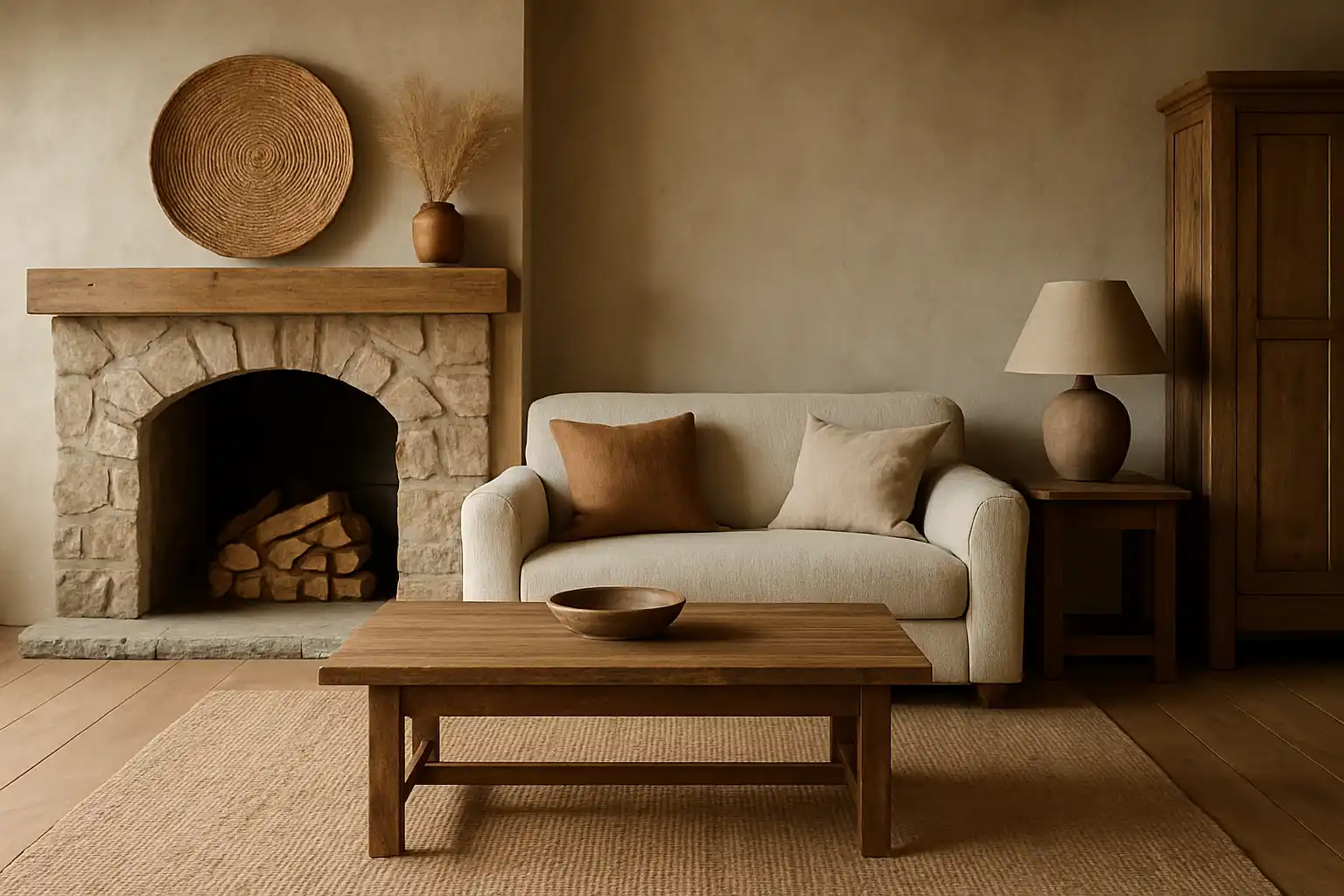
You do not need to repaint a whole room to try a new palette. Begin with movable details such as pillow covers, a throw, curtains, or pottery. If the colors work together, consider whether a larger update makes sense. Starting small also makes it easier to adjust if your furniture or decor changes.
For a small room, use a light neutral on larger surfaces and bring deeper shades in through compact accents. In a large room, repeat colors across separate areas to create a sense of connection. If you rent or cannot change the walls, focus on rugs, artwork, curtains, and removable accessories. When the budget is tight, let an existing floor or cabinet guide your choices instead of replacing it.
Your Next Step
Choose one room and write down its fixed finishes, light conditions, and main use. Then pick one of these rustic styles color palette ideas and test it with movable accents or paint samples. Look at the colors at different times of day before making a larger change.
A welcoming rustic palette does not require every finish to match. Aim for a comfortable balance between natural materials and colors you enjoy living with, then make changes gradually as you learn what suits the room.
Looking for options for this space? Explore Rustic styles and choose what suits your needs.