Affiliate disclosure: We may earn a commission when you buy through links in this post.
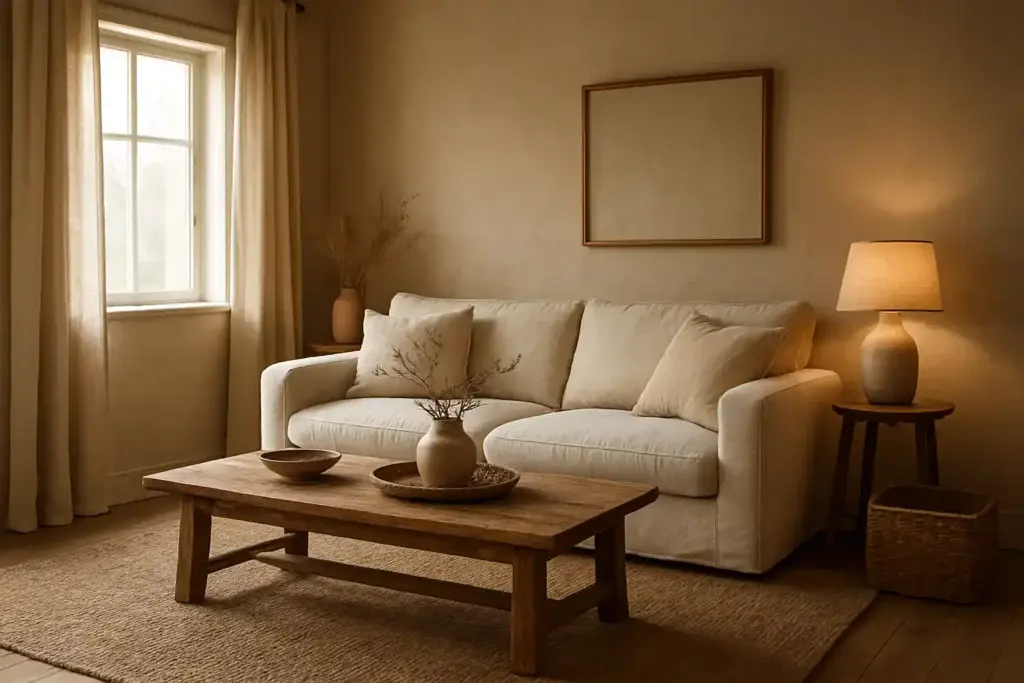
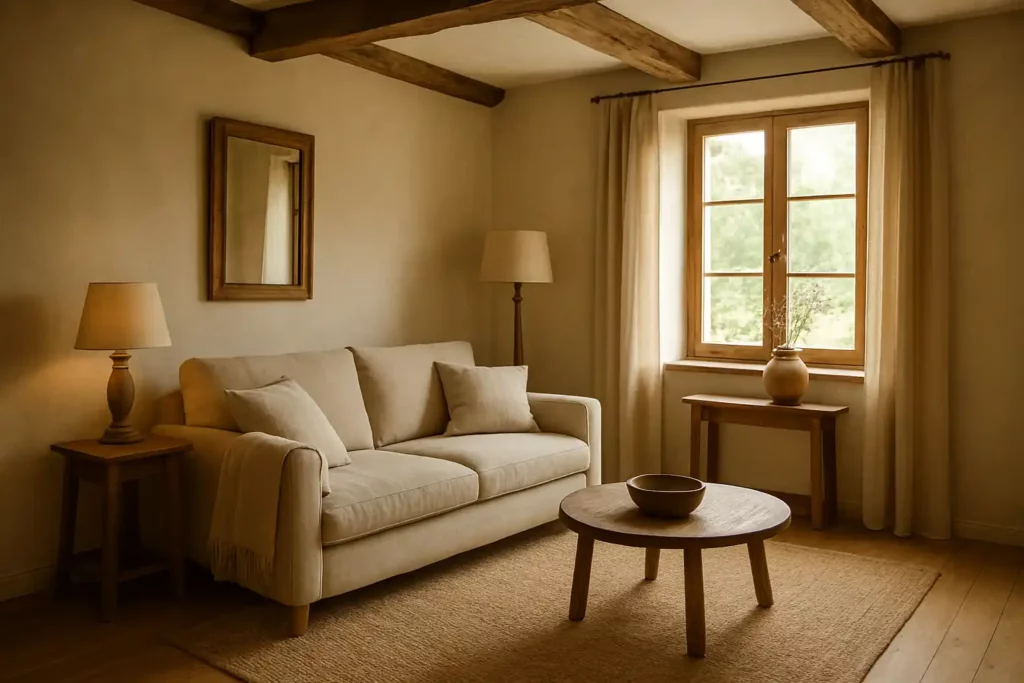
The most welcoming rustic rooms feel connected to their surroundings: wood, stone, woven fibers, and the light coming through the windows all help shape the palette. Successful rustic living room color schemes usually start with a calm, nature-inspired base, then add a few deeper shades and plenty of texture. You do not need a cabin, exposed beams, or a full room makeover to create that feeling.
Begin with the finishes you cannot easily change: flooring, a fireplace, large furniture, and any prominent woodwork. Notice whether each looks warm, cool, light, or dark. Then choose a small group of colors that works with those features. This gives you a practical direction for shopping and helps rustic living room color schemes feel intentional rather than themed.
The Look To Aim For: Rustic Living Room Color Schemes
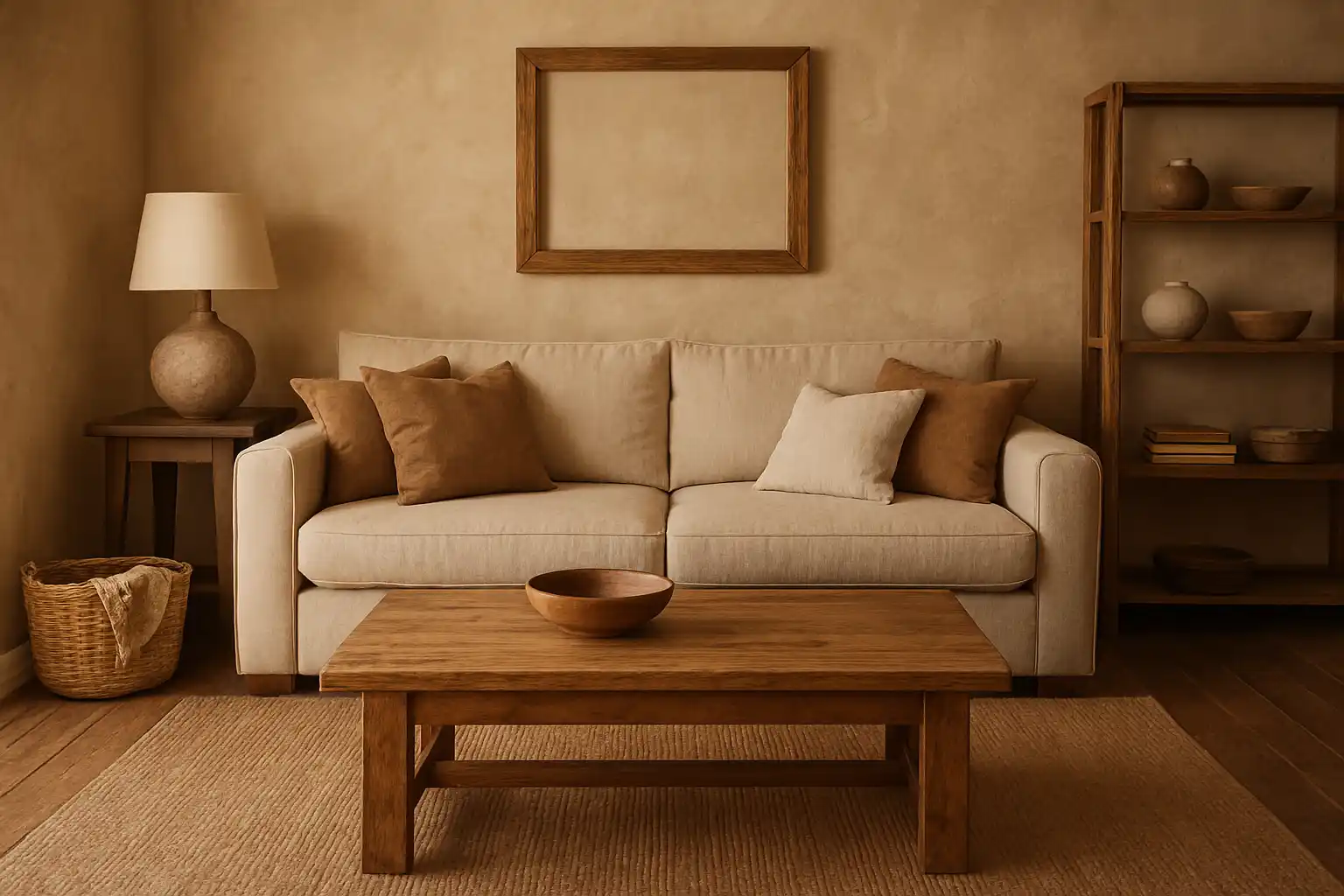
Rustic color is grounded, not necessarily dark or brown. Cream, oatmeal, warm gray, muted green, clay, and charcoal can all belong in the same room when their undertones make sense together. Decide whether you want a light, airy space or a deeper, cosier one, then use contrast to keep the palette from feeling flat.
A useful starting point is one dominant neutral, one supporting earth tone, and one accent. The neutral can cover walls or a large rug; the supporting tone might come from wood, upholstery, or a substantial textile; the accent can appear in smaller details. These roles are flexible, but keeping the palette limited makes it easier to bring different materials together.
Texture adds variation without requiring more colors. A nubby cream throw, matte pottery, leather, linen, and weathered timber each reflect light differently, so a restrained palette can still feel layered. Think of the goal as a relaxed room with a visual rhythm, not a perfectly matched set of furnishings.
Ideas To Try: Rustic Living Room Color Schemes
1. Build Around A Warm Neutral Base For Rustic Living Room Color Schemes
Warm white, oatmeal, beige, and soft mushroom shades make useful foundations because they sit comfortably beside many natural finishes. Try one on a wall, large rug, or substantial textile, then let the wood and stone provide some of the variation. This approach can suit a compact room or a space with limited daylight, especially if you want the larger surfaces to feel calm.
Key takeaways:
- Start with fixed finishes and choose colors that suit their undertones.
- Build interest with texture and repeated accents, not a crowded palette.
Check the neutral beside your existing floor and furniture before committing. A cool white next to honey-toned timber may make the wood appear more orange, while a beige with a strong yellow cast may not suit every stone finish. Test a sample in more than one spot and look at it in daylight and evening light. If changing the walls is not practical, use the neutral in curtains, cushions, or a throw instead.
2. Pair Muted Green With Wood
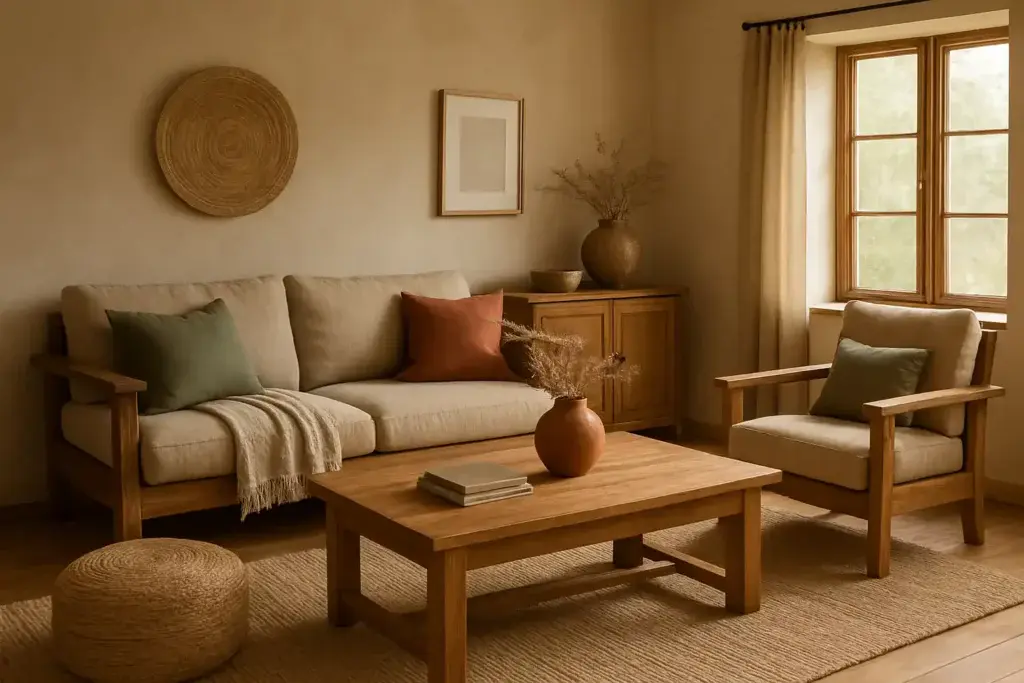
Olive, moss, and muted forest green can bring a natural counterpoint to timber without making the room feel like a display of outdoor motifs. Try green on one noticeable item, a chair, cabinet, or set of curtains, and repeat it in a smaller detail. This works especially well when the room already contains wood furniture or a leather piece.
If you are unsure about a large commitment, start with cushion covers or a blanket. Choose a subdued green when the wood grain is visually prominent, and let the surrounding neutrals give the color space. A highly saturated shade may compete with strong timber, so consider the overall balance from the main seating area.
3. Use Clay And Rust For A Gentle Warm Accent
Terracotta, muted brick, and rust add warmth without simply introducing another brown. They can enliven a neutral sofa or sit comfortably beside cream, wood, and many stone tones. Try the color in a patterned rug, pottery, cushions, or a small upholstered piece, depending on how much change the room needs.
This idea is useful when the room feels a little cool or visually quiet. Repeat the shade in more than one place, but vary the material: a rust cushion and a small clay-toned object connect without looking like a matching set. If the room already has strong red or orange undertones in its floor or brickwork, use a smaller accent and check the colors together first.
4. Let Charcoal Provide Definition
Soft black and charcoal can give lighter colors a clear outline. Consider a lamp, picture frame, metal detail, or small side table rather than adding several large dark pieces at once. This accent can work in a bright room that needs definition or a deeper palette that needs a crisp contrast.
Pro tip: Before buying a large textile or paint, place a sample beside the flooring and wood furniture, then check it in both daylight and evening light.
Keep scale in mind. In a small living room, a few slim, repeated dark touches may be easier to balance than a large dark surface. If a fireplace or substantial piece of furniture is already dark, let it do the anchoring and echo the shade sparingly.
5. Connect Colors With One Patterned Textile
A rug, woven blanket, or printed cushion can bring several existing shades into one place. Look for a pattern that includes colors already present, such as cream, brown, muted green, or rust. This can help furniture with different finishes feel related without making every item match.
Choose one pattern to lead, then keep nearby textiles quieter. Consider both scale and contrast: a bold, large-scale design can take over a small seating area, while a subtle pattern may disappear across a spacious room. If you rent or want a low-commitment change, a removable textile can introduce the palette without altering the walls.
Bringing It Together
Give each shade a job: let the base cover the largest areas, use the supporting color on a medium-sized feature, and reserve the accent for details you can repeat. This helps rustic living room color schemes feel composed while leaving room for distinctive objects and finishes.
Explore rustic living room decor for options to consider.
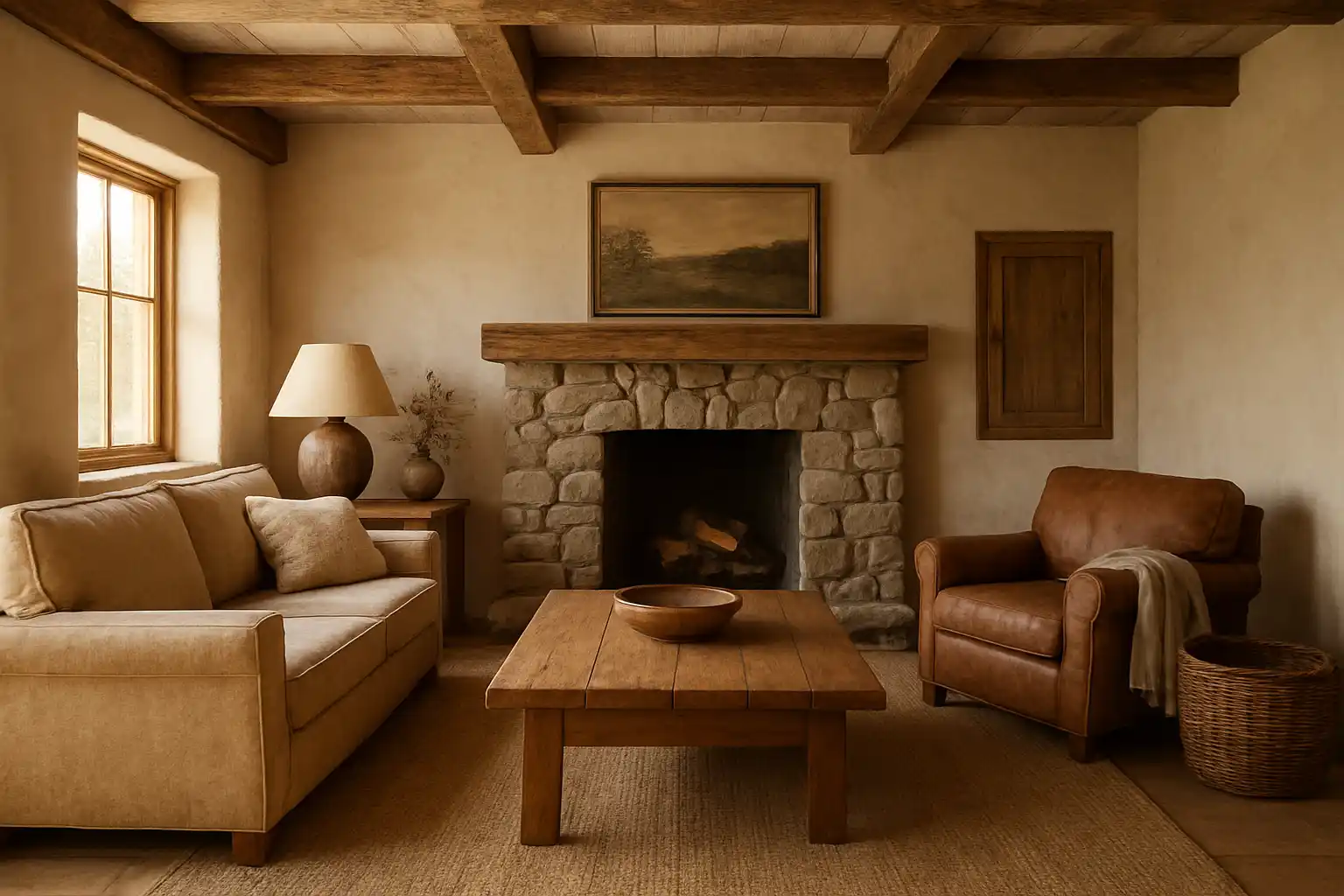
Use existing materials as part of the palette rather than treating them as problems to hide. If the floor reads warm, consider a related earth tone or balance it with a soft neutral. If the stone looks cool, wood and woven textures can add warmth. The colors do not need to be identical; aim for compatible undertones and a sense of connection.
Before adding another color, look at the room from the doorway and from the sofa. Notice whether one area feels too heavy, too busy, or disconnected. You may be able to improve the balance by moving an existing textile or repeating a color in a different material instead of buying something new. Rustic living room color schemes work well when colors recur naturally rather than appearing as isolated accents.
- Choose a base that suits the room’s fixed finishes.
- Use wood, stone, and textiles as part of the palette.
- Repeat accent shades in different materials.
- Leave at least one area visually quiet.
Budget And Space Adaptations
You can adjust the palette without replacing large furniture. Start with movable pieces such as cushion covers, a throw, a lampshade, or a small rug. Reuse a wood or metal item already in the room, and make one change at a time so you can see what improves the overall balance. If you plan to paint, test a sample and account for the preparation the surface needs.
In a small living room, use a limited number of accents and consider lighter colors for large surfaces if you want the space to feel open. Keep high-contrast patterns to a few areas, and avoid adding dark pieces simply to make the room feel rustic. In a larger room, a deeper shade or substantial rug can help define the seating area, balanced by lighter surfaces nearby.
Key note:
- Use smaller, movable pieces to test a color before making a bigger change.
For a rental or a space where permanent changes are not practical, rely on textiles and accessories. A neutral base with green, rust, or charcoal accents can still give the room character. Adapt rustic living room color schemes to the pieces you already own; a wood finish does not need to match every other wood finish for the room to feel considered.
Your Next Step
Choose one starting point: a rug you own, a wood tone you want to highlight, or a color that would make the seating area feel more welcoming. Build a short palette around it and view the colors together in the actual room. The best rustic living room color schemes respond to the materials, light, and everyday needs of your home rather than following a rigid formula.
Make one easy-to-reverse change first, such as adding a pair of cushions or moving a favorite textile into the seating area. Notice whether it connects to the room and whether the overall balance feels more comfortable. Then add only what strengthens that connection. A character-filled living room comes together through thoughtful choices, not a perfect set of matching pieces.