Affiliate disclosure: We may earn a commission when you buy through links in this post.
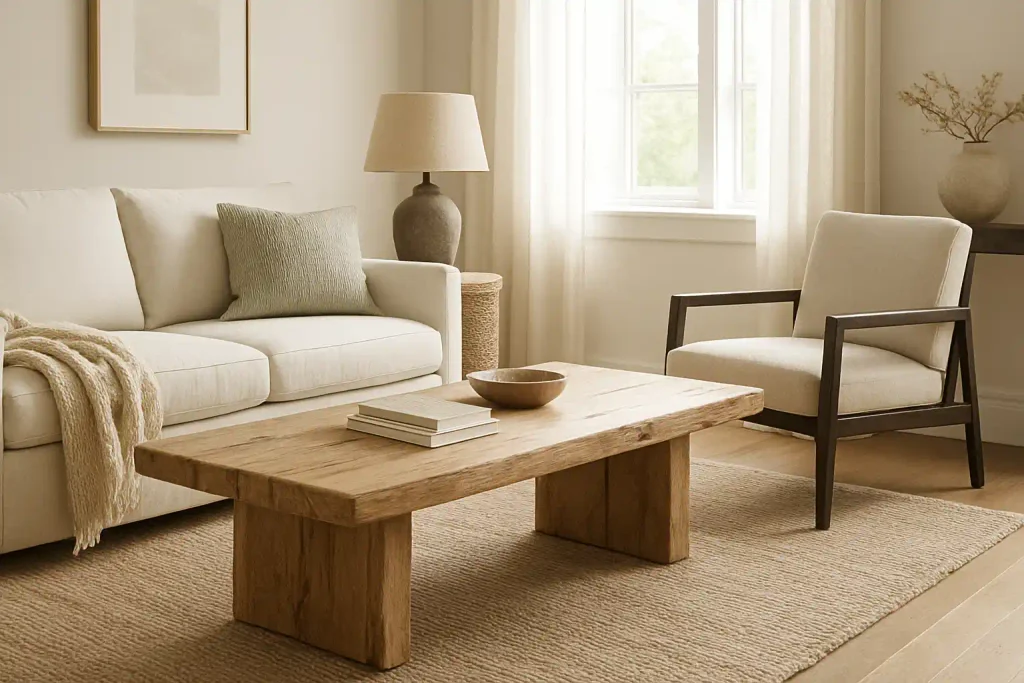
Small rooms can feel warm and welcoming without being crowded. The most useful space saving rustic furniture earns its footprint by folding away, adding storage, or serving more than one purpose. These 21 ideas bring natural materials and rustic character to compact homes while keeping everyday movement in mind.
The Look To Aim For With Space Saving Rustic Furniture
Rustic style comes through in honest materials, visible texture, and simple, sturdy forms. The best space saving rustic furniture balances those details with a scale that suits the room. Wood, woven fibers, and aged-metal accents can add warmth without requiring oversized pieces.
Start with measurements, not a shopping list. Note the room’s tightest walkway, door swings, and the space needed to open drawers or fold furniture. A narrow console may serve better than a deep cabinet, while open legs can make a table feel less visually heavy.
Ideas To Try With Space Saving Rustic Furniture
Choose ideas according to how you use the room, not just how much storage they promise. Each space saving rustic furniture option below has a practical trade-off, so consider both its everyday function and the room it will occupy.
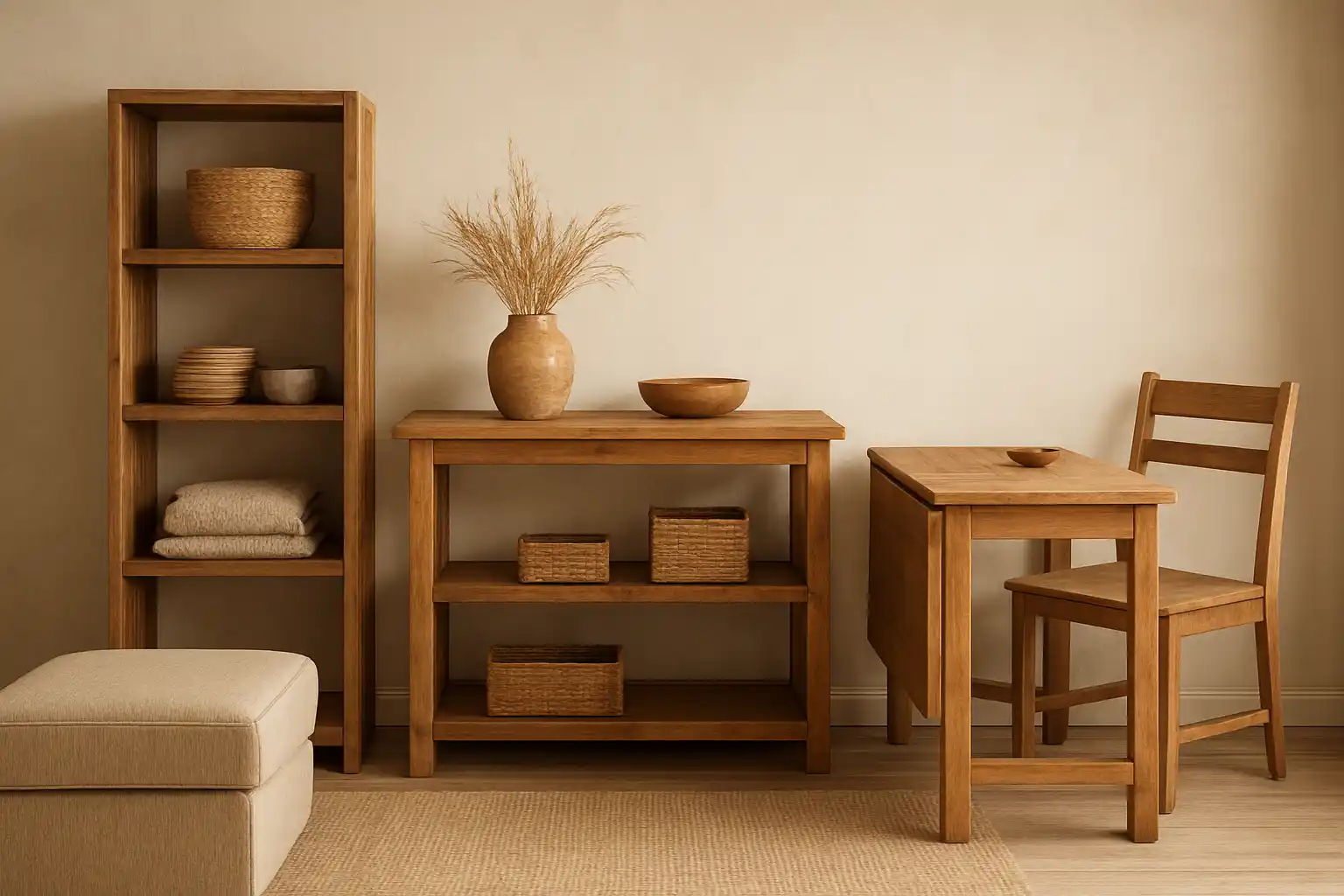
1. A Drop-Leaf Dining Table
A wood drop-leaf table can sit against a wall with one or both leaves down, then expand for meals or projects. It suits a small kitchen or dining nook. Check the expanded footprint and supports, since open leaves can still narrow a walkway.
2. An Entry Storage Bench
A bench with a shelf or lift-up seat combines a place to sit with storage for shoes, bags, or hats. It works near an entry, provided the depth leaves room to pass. A lid can be inconvenient if the bench sits under a low shelf.
3. A Narrow Console Desk: Space Saving Rustic Furniture
Place a slim wood console in an alcove or along an unused wall for a laptop or occasional writing. Look for enough knee room and a height that feels comfortable. Its shallow surface may not suit a large monitor or ongoing paperwork.
4. A Wall-Mounted Folding Table
A fold-down table can serve as a breakfast spot or temporary work surface, then clear the floor when folded. Rustic wood and simple brackets add character. Mount it securely to suitable framing, and plan where stools will go between uses.
5. A Storage Ottoman For Flexible Seating
A storage ottoman can act as a footrest, occasional seat, and home for blankets or games. A wood base or textured fabric complements rustic rooms. It fits beside a sofa, but frequent access means the top may need to stay clear.
Pro tip: Mark a piece’s full footprint on the floor with painter’s tape, including the area it needs when opened. Walk around the outline and check nearby doors before you commit.
6. A Tall, Open Bookcase
A narrow bookcase uses wall height rather than spreading across the floor. Choose a finish that relates to nearby wood, and leave some shelves open so the display does not feel crowded. Secure a tall unit as appropriate and follow its installation instructions.
7. A Rustic Bed With Built-In Drawers
Under-bed drawers can store linens or seasonal clothing close to where they are used. This is especially helpful when a bedroom has little closet space. Measure the clearance on each side first, since rugs or narrow gaps can prevent drawers from opening fully.
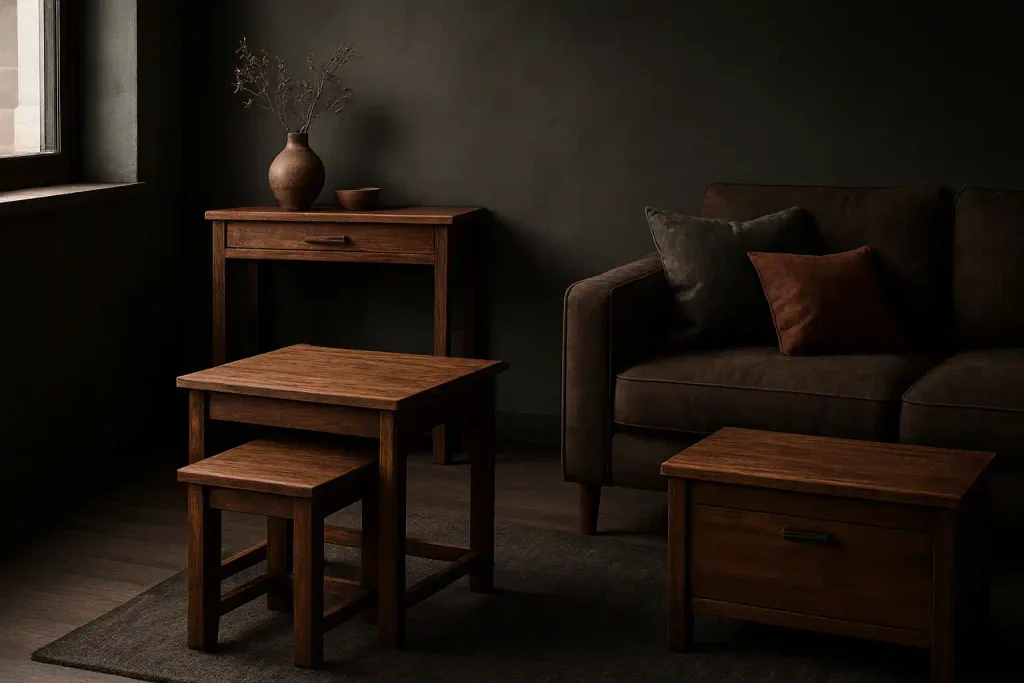
8. A Nesting Table Set
Nesting tables provide extra surfaces for guests, snacks, or a lamp, then tuck together when they are not needed. A wood-and-metal set can add rustic texture to a small living room. The smaller tables have limited surface area, so they are not a substitute for a full-size table.
9. A Ladder Shelf For A Corner: Space Saving Rustic Furniture
A ladder-style shelf can make use of a narrow wall or corner for baskets, books, and a few display pieces. Its tapered shape often takes less floor space than a broad bookcase. Check placement guidance and stability, especially if children or pets use the room.
10. A Coffee Table With A Lower Shelf
A compact coffee table with a lower shelf keeps books, remotes, or a basket off the main surface. Choose a size that leaves a comfortable route around the sofa. A low shelf can be awkward to reach, so store less frequently used items there.
11. A Murphy-Style Bed With A Wood Finish
A wall bed can free floor space for daytime use in a studio or guest room. A wood finish or nearby timber shelving helps it sit naturally within rustic decor. It needs careful installation and clear space to open, so plan the layout before choosing one.
12. A Kitchen Island On Locking Casters
A small rolling cart can provide prep space and hold kitchen tools, then move aside when more floor clearance is needed. Locking casters help keep it in place during use. Check its dimensions against doorways and storage gaps, and avoid unstable or overloaded setups.
13. A Slim Bench At The Foot Of The Bed
A narrow bench can hold folded blankets and provide a perch while dressing. Open shelving below keeps the shape visually light, while a shallow compartment hides small items. Measure the path between the bed and bench so the space saving rustic furniture does not make the room difficult to navigate.
Explore Rustic Furniture for options to consider.
Pro tip: Use similar baskets in open shelves or bench storage. A repeated texture can make everyday items look more orderly while keeping them easy to reach.
14. A Wall-Mounted Nightstand: Space Saving Rustic Furniture
A floating shelf or compact drawer keeps bedtime essentials close without adding legs to a tight floor area. Natural wood gives it a rustic note. Mount it at a comfortable height and check the wall construction; a small surface will not hold many accessories.
15. A Rustic Trunk As A Coffee Table
A sturdy trunk can provide a tabletop and storage for blankets, games, or seasonal items. It suits a living room with enough space to lift the lid fully. Since the top must be cleared for access, keep everyday essentials elsewhere.
16. A Compact Corner Dining Nook
A small table and bench can turn an awkward corner into a dining spot. Cushions in simple natural textures add comfort without visual fuss. Fixed seating can save floor area, but it is less flexible than movable chairs and may limit access to a window.
17. A Storage Headboard
A headboard with shelves or cubbies can hold books, glasses, or a charging station without adding another table. Keep its depth in proportion to the bed and room. Deep shelving may make a narrow bedroom feel tighter, and cables need a tidy route.
18. Folding Dining Chairs
Wood folding chairs offer extra seating for visitors and can be stored in a closet or on suitable hooks. They are useful when permanent chairs would obstruct movement. Check the folded dimensions and stability, and make sure the storage spot is easy to reach.
19. A Slim Rustic Sideboard
A narrow sideboard can organize dishes, linens, or household items while doubling as a serving surface. Sliding doors can help where swing space is limited. A shallow cabinet holds less than a deep one, so decide what needs to fit before selecting its size.
20. A Wall-Mounted Coat Rack With A Shelf: Space Saving Rustic Furniture
Hooks and a small shelf can keep coats, keys, and hats off an entry table. Wood pegs or an aged-metal rail work well with rustic finishes. Place the rack clear of door swings and anchor it properly before adding weight.
21. A Modular Rustic Shelving System
Adjustable shelves can change as your storage needs shift, and a vertical system uses wall height rather than valuable floor area. Keep heavier items low and plan for secure mounting. Open shelves are easy to access but need regular tidying to stay orderly.
Bringing It Together
Choose furniture around the activities that happen most often. A work-from-home routine may call for a usable desk and a place to store supplies; frequent visitors may make flexible seating more important. Space saving rustic furniture is most effective when each piece solves a real problem instead of adding storage you do not need.
Repeat a few finishes to connect different pieces. Warm wood paired with black metal, for example, can make a room feel considered without matching every item. Add character through smaller details such as a textured cushion or a woven basket, while keeping the largest pieces simple.
Protect clear routes through the room, particularly from the doorway to seating or the kitchen. Sketch the layout or tape out furniture before buying, and consider how each piece works both open and closed.
Key takeaways:
- Measure both a piece’s footprint and the space it needs when in use.
- Prioritize furniture that folds, stores, or serves more than one purpose.
- Balance rustic textures with clear walkways and open floor space.
Budget And Space Adaptations For Space Saving Rustic Furniture
You do not need to replace everything at once. Rearrange what you own, remove pieces that duplicate a function, and measure the space that remains. If you shop secondhand, inspect joints, hardware, stability, and surfaces before bringing a piece home.
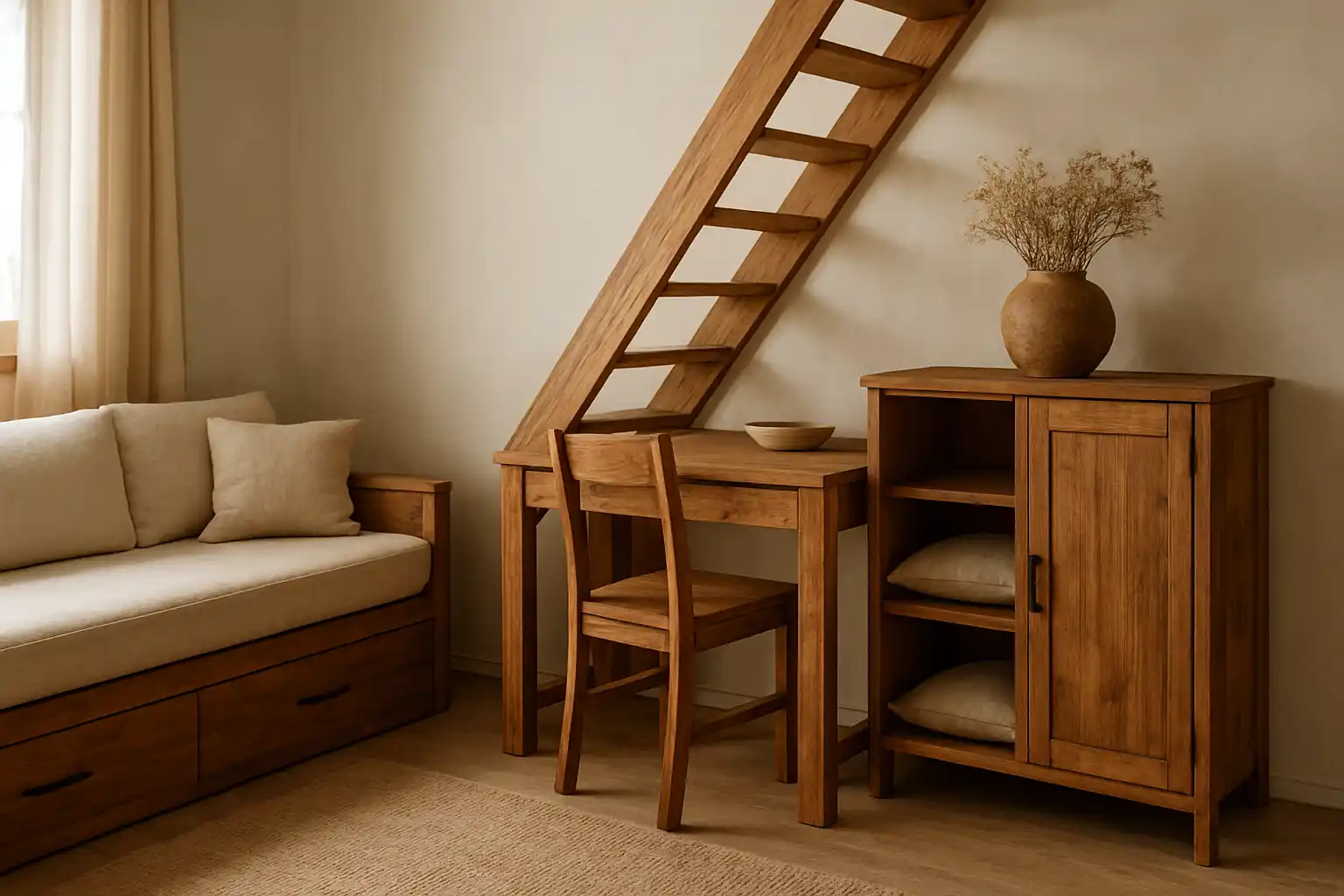
For a rental, freestanding options such as nesting tables, benches, and rolling carts may be easier to use than wall-mounted furniture. In a very tight room, consider open legs or a lighter visual profile. Use wall height only where safe installation is allowed, and place low furniture beneath sloped ceilings.
Size storage to the belongings it must hold. A compact cabinet is not useful if its shelves cannot accommodate your dishes or linens. Baskets and dividers can organize larger compartments, but leave enough room for easy access.
Your Next Step With Space Saving Rustic Furniture
Pick the room that feels hardest to use and identify its main pinch point: a blocked walkway, missing dining surface, limited seating, or cluttered entry. Measure the area, then choose one idea that addresses that specific need. Space saving rustic furniture should fit your routine as well as your style.
Before buying, check the item’s full dimensions and make sure it can be used without obstructing doors or other furniture. Add more only when the first change improves daily life. A thoughtful layout, natural materials, and storage that is easy to reach can make a compact home feel both functional and welcoming.