
Affiliate disclosure: We may earn a commission when you buy through links in this post.
Rustic rooms feel welcoming when natural materials, useful furnishings, and signs of age work together. They can feel cluttered or costume-like when every surface is distressed, every accessory is themed, or the furniture is too bulky for the room. The most common rustic decorating mistakes are easy to correct once you know what to look for.
A good starting point is to choose a few materials and colors you genuinely enjoy, then give them room to stand out. You do not need to replace everything or buy a matching set. Small changes to scale, contrast, and editing can make a room feel more relaxed and considered.
The Look To Aim For: Rustic Decorating Mistakes To Avoid
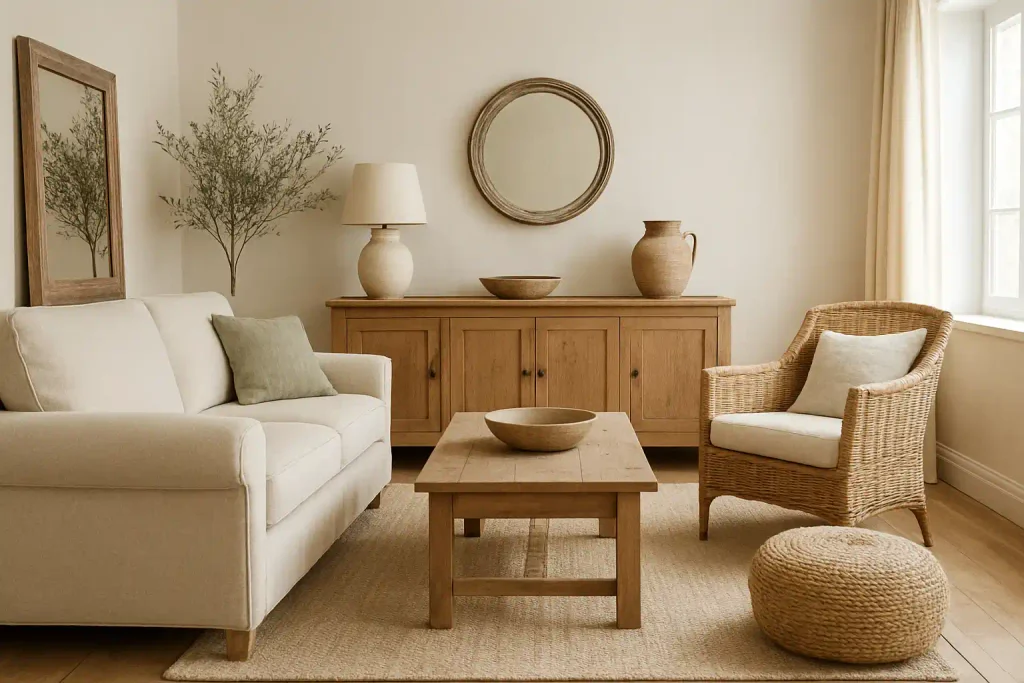
Rustic style draws on natural textures and a sense of honest use: wood grain, stone, woven fibers, leather, and sturdy, comfortable shapes. The aim is not to make a home look unfinished or old-fashioned. It is to create warmth with materials that have character while keeping the space practical for everyday life.
Think of rustic as a mix rather than a checklist. A timber table can feel at home beside a simple painted cabinet. A woven basket can soften a room with clean-lined seating. Balance is what keeps rustic decorating mistakes, such as an overly themed room or a one-note palette, from taking over.
Before shopping, identify what the room needs to do. A family living room may call for durable upholstery and clear paths, while an entryway needs a place for shoes and bags. Make a short list of practical needs, then decide which rustic materials and details will support them.
Ideas To Try: Rustic Decorating Mistakes And Better Choices
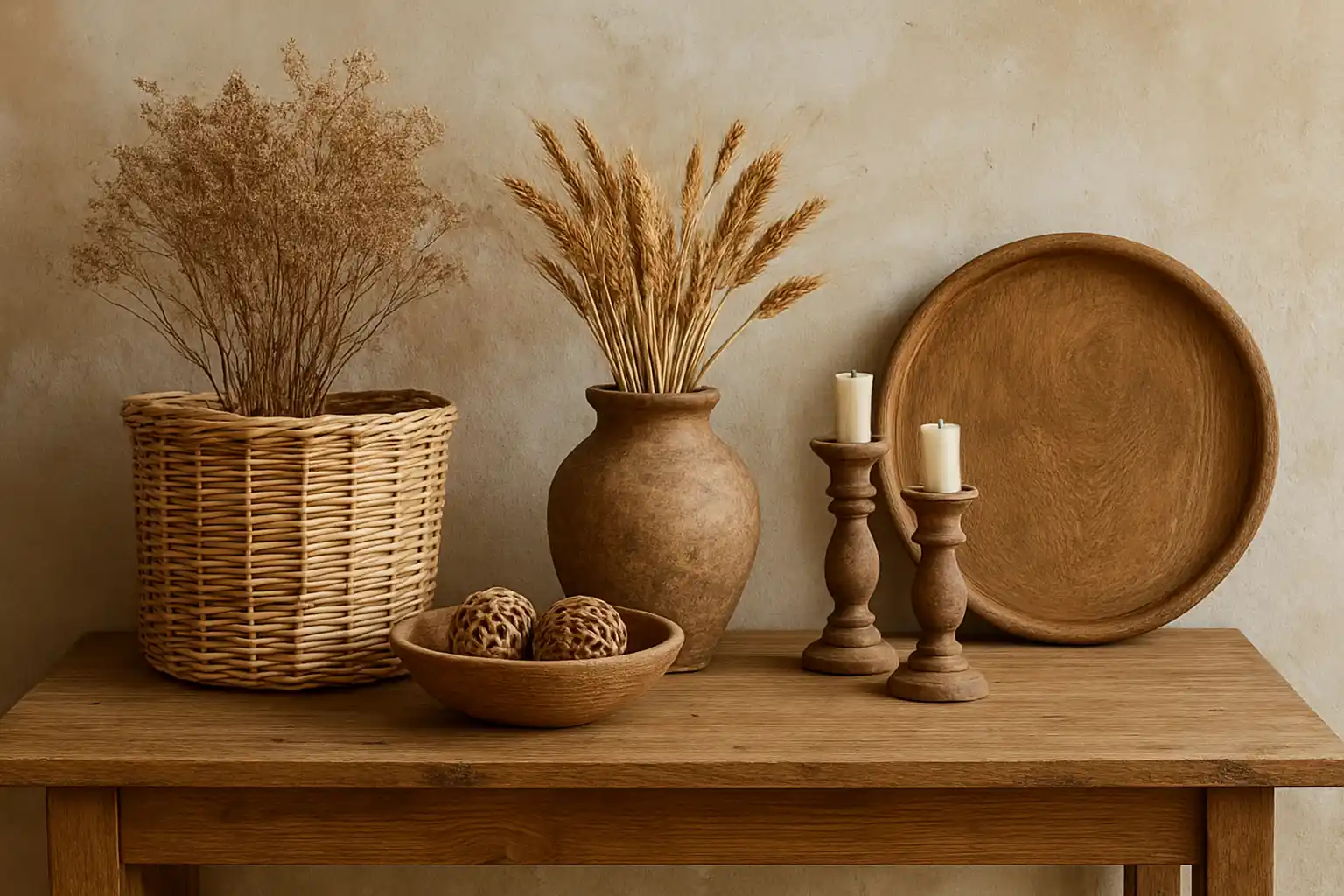
Use these ideas as flexible starting points, not rules. Each one can help you add character while avoiding common rustic decorating mistakes that make a room feel heavy or overly coordinated.
1. Let One Natural Material Lead
Why it works: A clear material focus gives the room a sense of direction without requiring every object to match. Choose a leading element, such as a wood dining table, stone fireplace, or woven rug, and let supporting materials add contrast.
Pro tip: Take a photo of the room in daylight before changing anything. The image makes crowded surfaces, empty corners, and competing colors easier to spot than they may be when you are moving around the space.
How to apply it: Repeat the leading material in just a few smaller details, then introduce a different texture. A wooden table might pair with linen curtains and a metal light fixture. This approach suits dining areas and living rooms where a central piece can anchor the view. A realistic constraint is existing furniture, so work with its finish rather than buying a new centerpiece solely to follow a look.
2. Use Patina With Restraint
Why it works: A worn finish can suggest history and make a room feel less formal. Too many visibly distressed pieces, however, compete for attention and can make the space look deliberately aged.
How to apply it: Pick one or two pieces with noticeable wear, such as a vintage cabinet or an old wooden stool, and keep surrounding surfaces simpler. This works especially well in a small entry or beside a fireplace, where one character piece can be appreciated. If you are shopping, inspect the item for stability and usable storage, not just its finish. One of the useful rustic decorating mistakes to catch early is choosing appearance over function.
3. Add Contrast To Warm Neutrals
Why it works: Wood, beige, and brown can create a cozy foundation, but similar tones across every surface may blur together. A little contrast helps shapes and textures read clearly.
How to apply it: Try a deep green cushion, black metal hardware, a cream throw, or a painted cabinet against warm wood. Use contrast in small, repeatable touches rather than adding a new color everywhere. This is useful in bedrooms and living rooms with several wood finishes. If the room has limited daylight, test darker accents in small areas first, since too many can make the space feel dim.
4. Choose Scale Before Decorative Detail
Why it works: Oversized furniture, signs, or accessories can overwhelm a room even when each item fits the rustic theme. Scale affects comfort and movement more than decorative style does.
Pro tip: Before buying a decorative object, name the surface or spot it will occupy. If you cannot identify a useful place for it, wait a few days. That pause helps prevent impulse purchases from becoming clutter.
How to apply it: Measure the floor area and doorways, and leave comfortable routes between seating and entrances. In a compact room, choose one substantial feature and use lighter, smaller pieces around it. In a larger room, a broad rug or low cabinet can help define zones. The constraint is that a favorite inherited piece may not be easy to replace, so try rearranging other furniture before deciding it has no place.
5. Mix Old And Simple New Pieces
Why it works: A room with only antiques or only rustic-themed accessories can look staged. Simple contemporary shapes give aged materials breathing space and keep the room suited to present-day routines.
How to apply it: Pair an older bench with a plain mirror, or set handmade pottery on an uncluttered shelf. This mix works in nearly any room, especially where storage and easy cleaning matter. Choose new pieces for comfort and function, and let a smaller number of vintage objects provide character. A common rustic decorating mistakes pattern is buying several themed accessories before checking what the room actually lacks.
Bringing It Together: A Cohesive Rustic Room
Once you have chosen the main pieces, connect them with a restrained palette. Start with two or three base colors, then add one accent if the room needs energy. Repeat a color or texture in a few places so it feels intentional, but avoid repeating the same object or finish on every shelf.
Next, edit what is already on display. Leave some open space on tables and shelves, group small objects by material or color, and remove pieces that do not support the room’s use. This is often more effective than adding another rustic accessory. A room feels collected when objects have space to be noticed.
Check lighting at different times of day. A table lamp or wall light can make a reading corner more useful and soften a room after dark. Choose light that suits the activity, and avoid relying only on decorative fixtures if they leave work areas dim. These small decisions help prevent rustic decorating mistakes that come from focusing on appearance while overlooking comfort.
Budget And Space Adaptations: Avoiding Rustic Decorating Mistakes
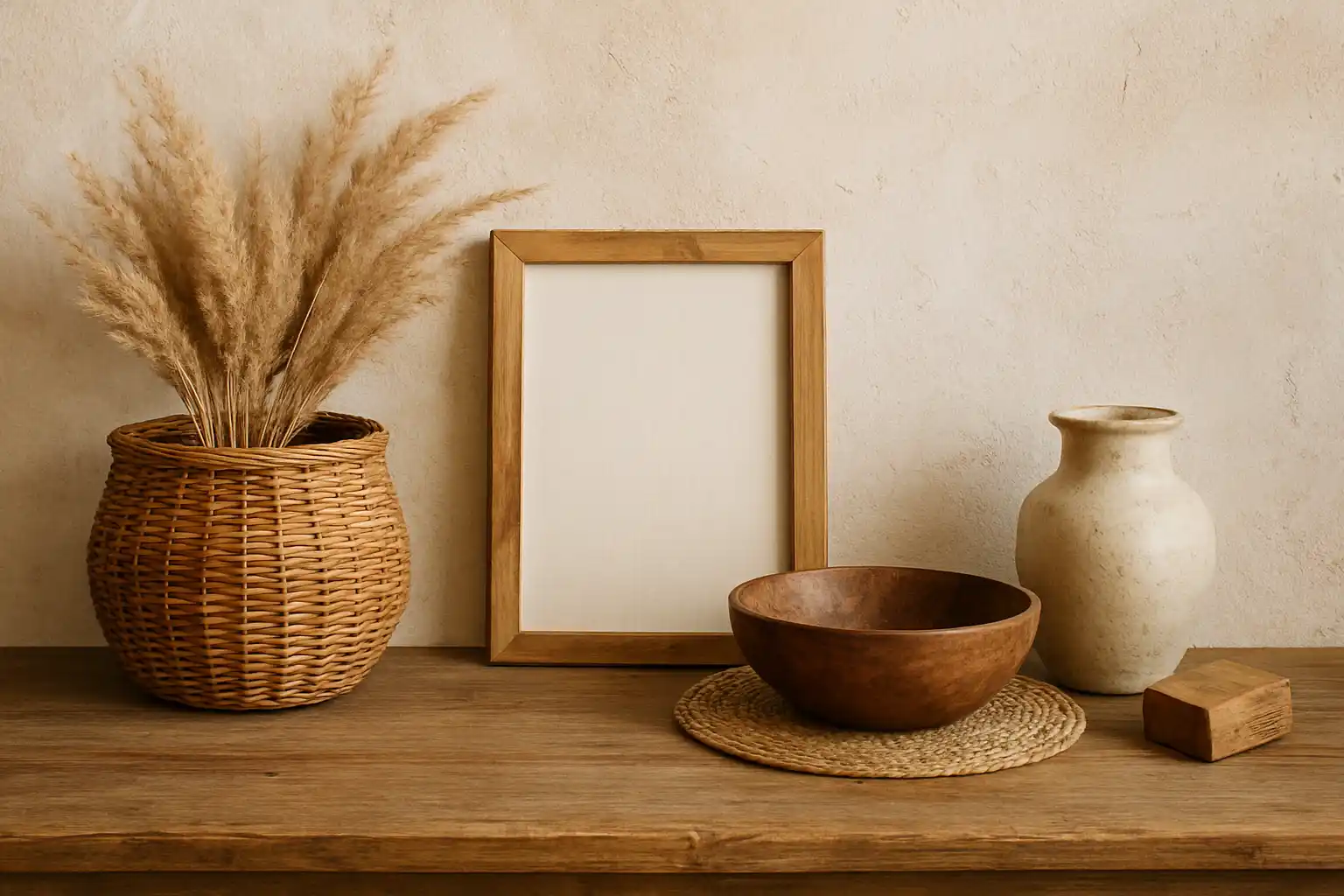
You can create a rustic feel without a full renovation or a room full of new purchases. Work in stages: rearrange what you own, remove visual clutter, and then address the most noticeable gap. If the room lacks warmth, try a natural-fiber basket or textured throw. If it feels crowded, edit first rather than adding more storage furniture.
For a small home, prioritize pieces that do more than one job. A storage bench can hold shoes and provide seating; a sturdy side table can also serve as a nightstand. Keep walkways clear and use vertical storage where it does not make the room feel boxed in. In a rental, removable details such as textiles, baskets, and freestanding furniture can add texture without permanent changes.
Key takeaways:
- Use natural materials as a mix, not a room-wide theme.
- Balance aged finishes with simple shapes, contrast, and open space.
- Measure furniture and protect clear paths before shopping.
- Prioritize comfort and function, then add character selectively.
Shopping secondhand can help you find distinctive materials, but inspect pieces carefully. Check drawers, joints, surfaces, and measurements, and consider whether cleaning or minor repairs are practical for you. The goal is not to collect the most objects for the least money. It is to choose pieces that suit the room and will be useful there.
When a purchase is tempting, compare it with your needs list and the items already in the room. That simple check can prevent rustic decorating mistakes such as buying a large statement piece that blocks a path or duplicates a function you already have.
Your Next Step
Choose one room and write down its main purpose, its biggest source of visual clutter, and one change that would improve daily use. Start with that change before browsing for accessories. A clear plan makes it easier to recognize what belongs and what is simply another rustic object.
Keep the decisions small and deliberate. When rustic decorating mistakes are avoided through thoughtful editing, practical scale, and a few well-chosen textures, the result can feel warm without looking crowded or staged.
Looking for options for this space? Explore Rustic decorating ideas and choose what suits your needs.