Affiliate disclosure: We may earn a commission when you buy through links in this post.
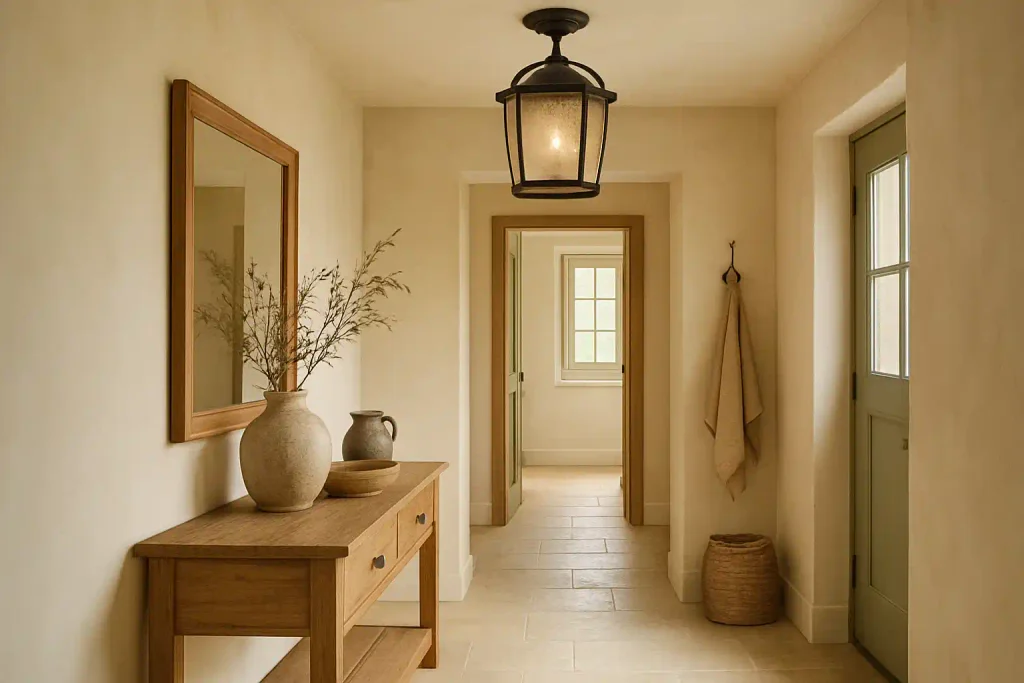
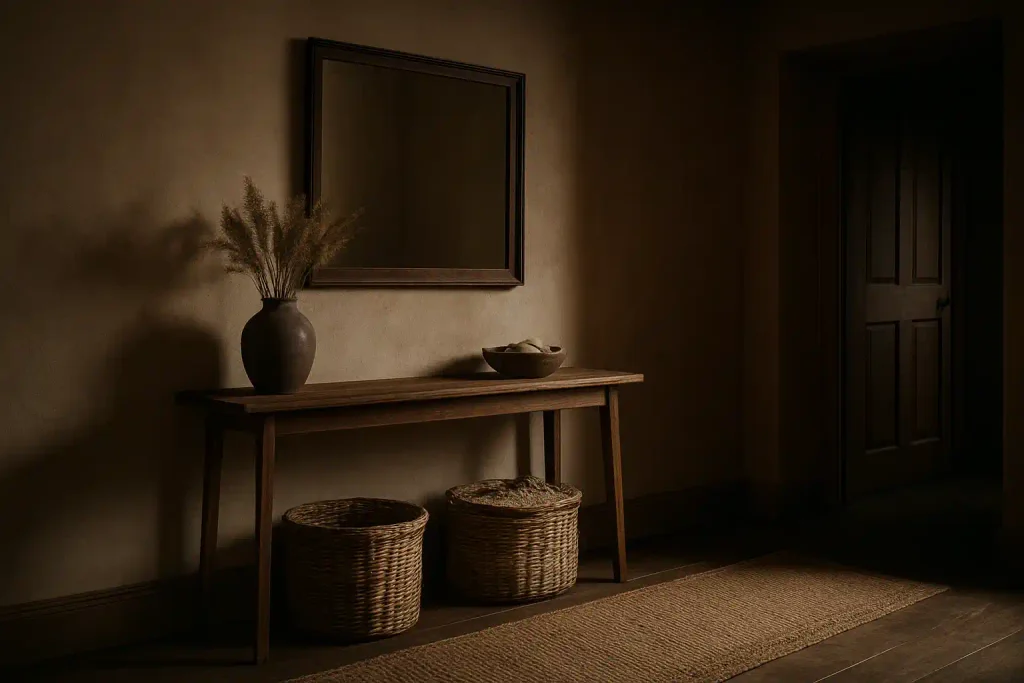
A welcoming entryway should look considered without making everyday arrivals harder. Rustic entryway and hallway decor with neutral colors brings together natural textures, practical storage, and a calm palette that can suit both a compact apartment and a spacious home. Start with a clear walking route, choose a few useful pieces, then layer in the rustic details that make the space feel warm rather than cluttered.
The most reliable palette combines warm white, cream, beige, taupe, and soft gray with the natural tones of wood, woven fibers, or aged metal. You do not need a full matching set. A simple console, a place for shoes, and one or two finishing touches can make the entrance feel cohesive.
The Look To Aim For With Rustic Entryway And Hallway Decor With Neutral Colors
A rustic neutral entryway balances texture with restraint. Let wood grain, woven baskets, linen, and matte finishes add visual interest, while a limited color range keeps the area from feeling busy. For rustic entryway and hallway decor with neutral colors, repeat a few materials rather than collecting every rustic accent you like. For example, pair a wood surface with a seagrass basket and a fabric runner, then let the walls and larger furnishings stay quiet.
Scale matters as much as style. In a narrow hall, keep furniture shallow and leave a comfortable route through the space. In a wider foyer, a console or bench can anchor the wall, but it should not block a door swing. Before buying, measure the usable width and height, including trim, radiators, and nearby switches.
Think in three practical layers: a landing place for small items, storage for things used on the way in or out, and a finishing detail that gives the space character. A mirror, framed artwork, or a branch in a sturdy vase can fill that last role without taking up much floor space.
Ideas To Try
Use these ideas as starting points, not a shopping checklist. Choose the ones that answer a real need in your home, then keep the rest of the composition simple.
1. Add A Slim Wood Console
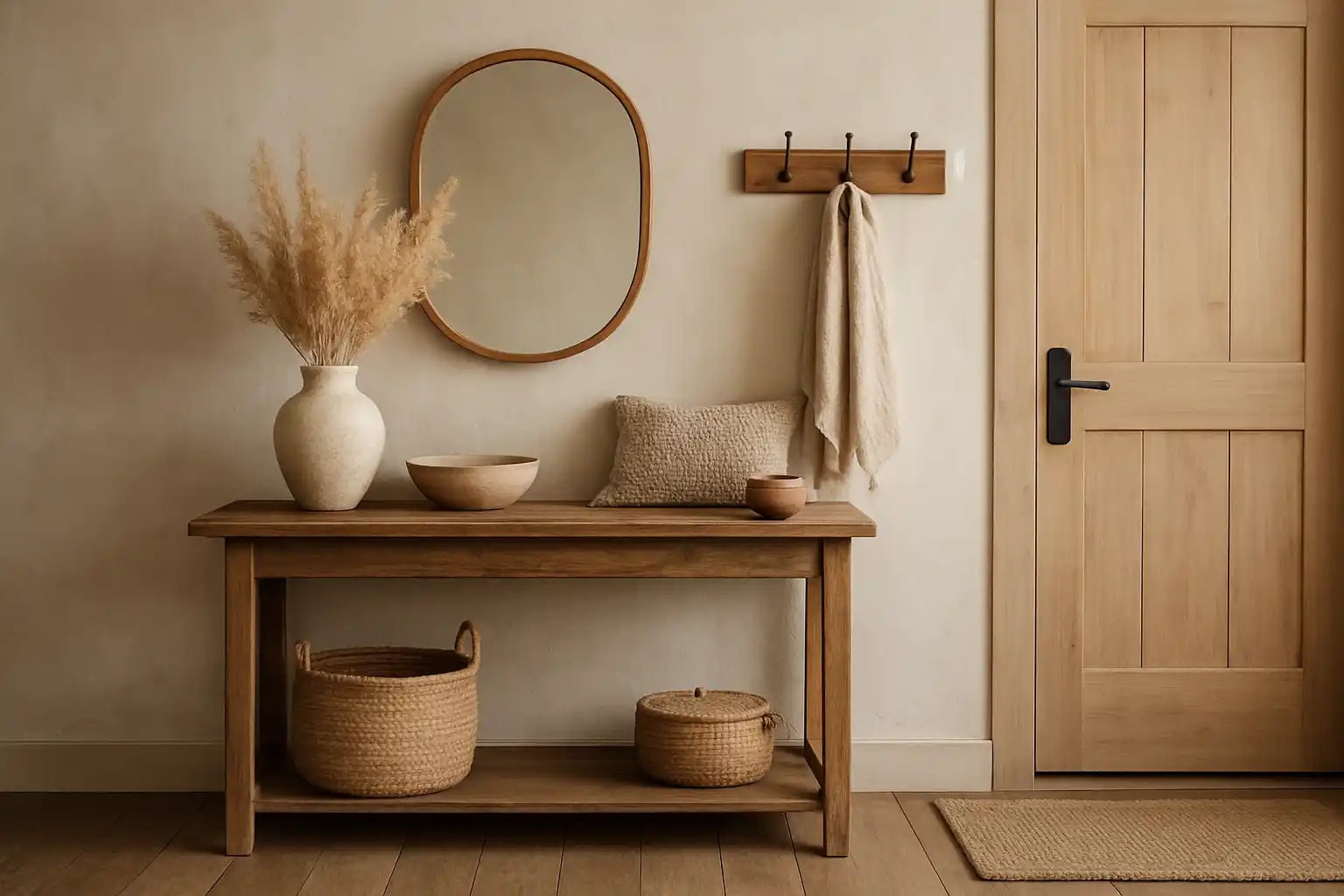
A console gives keys, mail, and a small lamp a dedicated landing place, while its visible legs can keep a compact hall feeling open. Choose a depth that preserves the walking route and a finish that works with nearby flooring or door trim. A natural or lightly weathered surface suits rustic entryway and hallway decor with neutral colors especially well, but an overly distressed finish can compete with textured walls or patterned floors. If a standard console is too deep, consider a narrow shelf mounted securely to the wall instead.
Pro tip: Lay painter’s tape on the floor to mark the footprint of a planned bench or console. Walk through the taped area with bags or a laundry basket to check that the layout still feels workable.
2. Use Baskets For Everyday Storage
Woven baskets bring in texture and can hide shoes, scarves, or reusable bags. Place them beneath a console or beside a bench where they are easy to reach, and choose sizes that fit the items you actually store. Matching baskets create a tidy look, while two complementary shapes can feel more relaxed. Leave enough room to pull each one out without scraping the wall or obstructing a doorway. In a very small hall, a single basket may be more useful than several decorative containers.
3. Layer In A Natural-Fiber Runner
A runner can soften a long hallway and visually connect the entrance with adjoining rooms. Jute, wool, cotton, and washable blends each offer a different feel, so check the care instructions and suitability for your household before choosing. Measure the passage first, leaving some floor visible at the sides and ensuring doors can open freely over the rug. A flat, stable runner is often easier to manage in a busy route than a thick, loose pile. Add an appropriate rug pad if needed to help limit movement.
4. Hang A Mirror With A Simple Frame: Rustic Entryway And Hallway Decor With Neutral Colors
A mirror is useful for a last look before leaving and reflects available light, which can help a dim entrance feel less closed in. A wood frame reinforces the rustic mood; a slim dark metal frame adds contrast without introducing another color family. Hang it at a practical viewing height and secure it with hardware suited to the wall. In a tight hallway, avoid a frame that projects too far into the route. If the wall already has prominent artwork, a mirror may be more useful than adding both.
5. Finish With One Organic Accent
A branch, a small potted plant, or a ceramic vessel can make a functional arrangement feel more personal. Choose one item with a clear shape and place it where it will not be knocked over by bags or passing coats. This works on a console, a stable shelf, or a broad windowsill. Keep plant choices appropriate for the available light, and avoid tall decorations where they could obstruct a view or catch on a door. A simple accent is usually enough beside strong wood grain or woven texture.
Pro tip: Arrange the pieces you already own before shopping. Photograph the setup in daylight and again in the evening, then note what feels missing, such as a place for shoes or better light, rather than buying decor to fill an empty spot.
Bringing It Together With Rustic Entryway And Hallway Decor With Neutral Colors
Once you have selected the functional pieces, edit the arrangement by color, height, and use. Repeat two or three tones, such as warm wood, soft white, and natural fiber. Vary the textures so the palette feels layered rather than flat. Rustic entryway and hallway decor with neutral colors does not require every item to be beige: a muted charcoal hook, a dark frame, or a small green plant can give the composition definition.
Explore rustic entryway and hallway decor for options to consider.
Group objects with different heights, but keep the arrangement grounded. A low tray can corral keys, while a lamp or vase provides a taller point of interest. Leave some open surface around these objects for daily use. On the wall, one larger piece of art may look calmer than a crowded collection of small frames. In a long hall, repeat a finish or shape at intervals to create continuity, but avoid lining every section with furniture or decor.
Lighting affects how neutral colors read. Warm bulbs can make cream and wood feel inviting, while cool light may make those same tones appear flatter. Check the bulb’s guidance and consider the room’s existing light before replacing it. If the entry lacks a ceiling fixture, a suitable table lamp can add a softer pool of light, provided there is a safe outlet and enough clear surface.
Budget And Space Adaptations
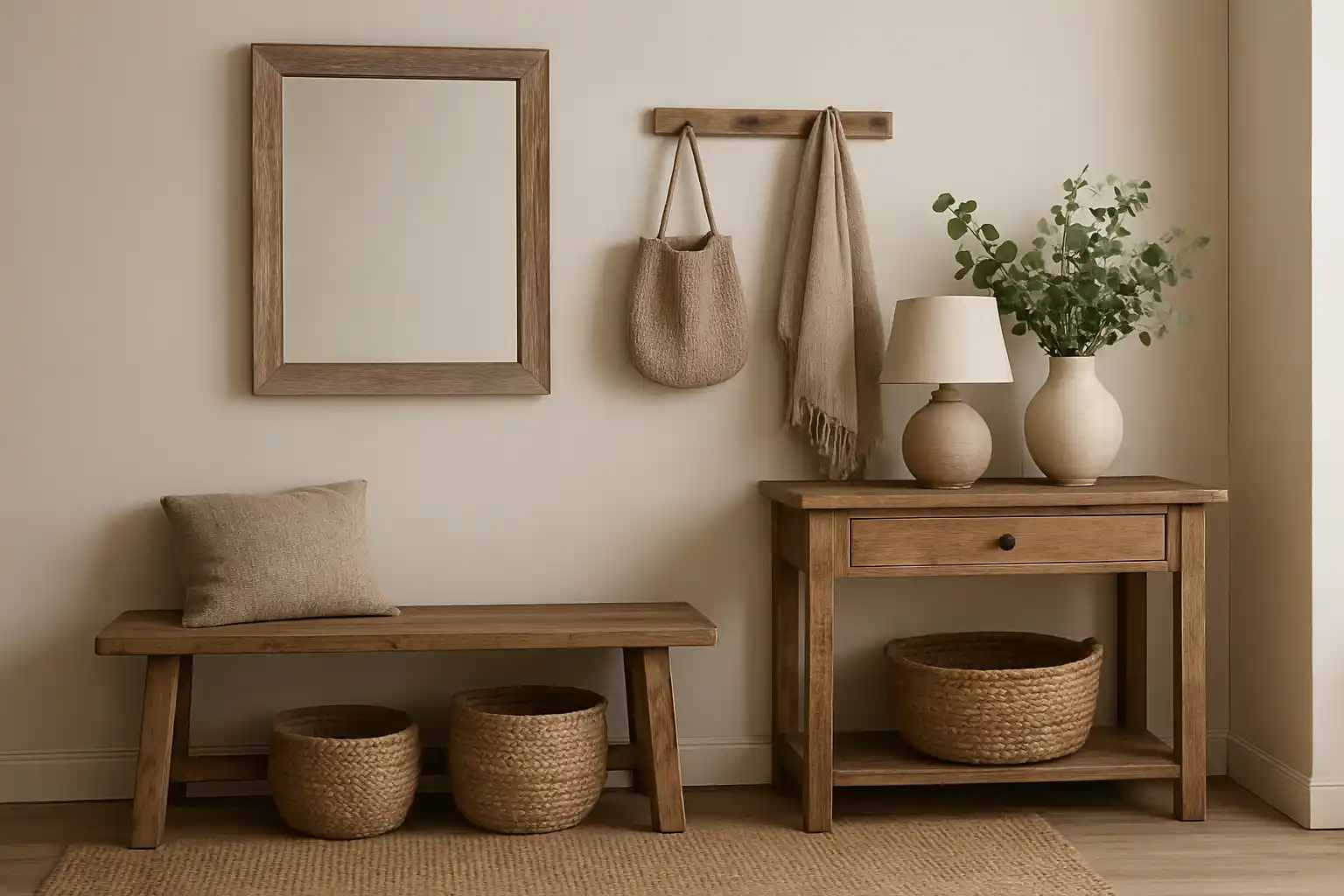
Spend first on items that solve recurring problems: a sturdy hook rail, a useful shoe solution, or a runner that fits the traffic level. Decor can come later. For rustic entryway and hallway decor with neutral colors on a limited budget, try rearranging a small piece of furniture, using a tray you already own, or changing the cushion cover on an existing bench. A restrained palette helps different pieces work together even when they were not bought as a set.
In a rental, favor removable or low-impact choices where permitted, and check your lease before attaching shelves, hooks, or heavy mirrors. A freestanding coat rack, a leaning mirror secured according to its instructions, and baskets can provide function without extensive installation. Use wall-mounted storage only with suitable fixings and permission where required.
For a narrow hallway, choose vertical storage and keep the floor as open as possible. Hooks can make coats easy to reach, while a shallow shelf can hold a small tray. In a larger entrance, a bench may offer a place to sit, but its size should match the available clearance. If a household has frequent muddy footwear, choose surfaces and textiles that can be cleaned with the care routine you are willing to maintain.
Key takeaways:
- Warm neutrals feel more layered when paired with wood, woven fibers, and varied finishes.
- Choose each item for a specific job, especially in a narrow or busy hallway.
- Measure first, keep the route clear, and add decorative accents selectively.
Shopping with measurements prevents common mismatches. Record the wall width, furniture depth, door swing, and the space needed for drawers or baskets to open. Compare materials in the room’s actual lighting when possible, since a neutral fabric or wood tone may look different from a screen image. Check assembly needs, care instructions, and stability before deciding whether an item is a good fit.
Your Next Step
Begin by identifying the one task your entryway handles poorly. If shoes collect by the door, plan storage before choosing wall art. If there is nowhere to set down keys, add a stable landing surface. Then measure the available space and choose a small group of materials that supports the look you want. This makes rustic entryway and hallway decor with neutral colors easier to shop for thoughtfully, instead of accumulating pieces that do not work together.
Use this quick checklist before you bring anything home:
- Measure the furniture footprint and the clear walking route.
- Choose a neutral base and repeat a few natural textures.
- Prioritize storage and lighting before decorative extras.
- Check care needs, installation requirements, and door clearance.
Make one useful change first, live with the arrangement, and adjust only where the space still needs help. A calm, practical entrance is built through thoughtful choices, not a large collection of rustic accessories.